Get Ductwork Replacement
Ductwork replacement services help property owners fix or upgrade damaged, outdated, or inefficient air duct systems through projects handled by experienced local contractors.
Property owners exploring ductwork replacement often consider this project to improve indoor air quality, enhance energy efficiency, or address outdated or damaged systems. Properly functioning ductwork is essential for maintaining consistent heating and cooling throughout a property, which can lead to increased comfort and potential long-term savings. Whether planning a renovation or responding to issues like leaks or mold, understanding available options and finding experienced local contractors can make the process smoother.
Comparing local service providers who specialize in ductwork replacement can help property owners identify qualified professionals capable of handling the scope of their project. Evaluating different options allows for informed decisions based on experience, reputation, and the specific needs of the property. Continuing to explore your local choices can provide clarity and confidence as you plan your ductwork upgrade.
- Ductwork Replacement - needed when existing duct systems are damaged, leaky, or no longer efficient.
- Residential Ductwork Replacement - required during home upgrades or when experiencing inconsistent heating and cooling.
- Commercial Ductwork Replacement - necessary for maintaining air quality and system performance in commercial buildings.
- Old Duct System Replacement - advised when ducts are outdated, corroded, or contributing to high energy bills.
- Air Duct Renovation - suitable for improving airflow and indoor air quality in spaces with poorly performing duct systems.
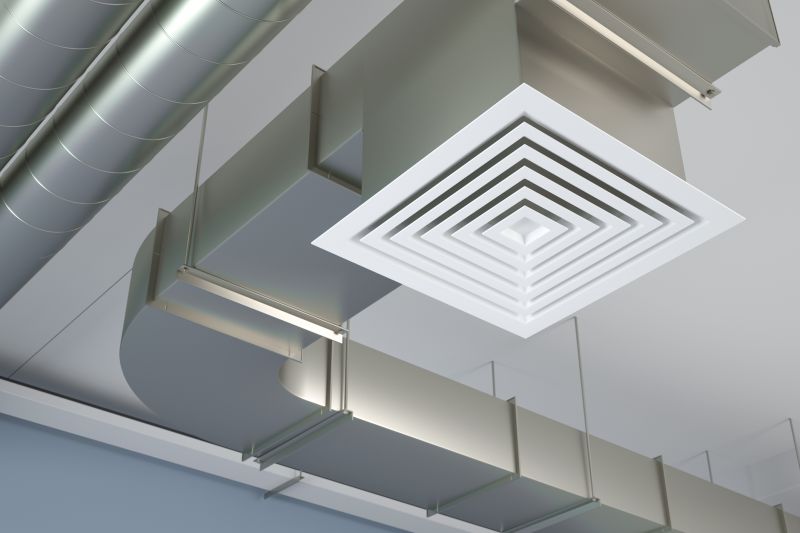
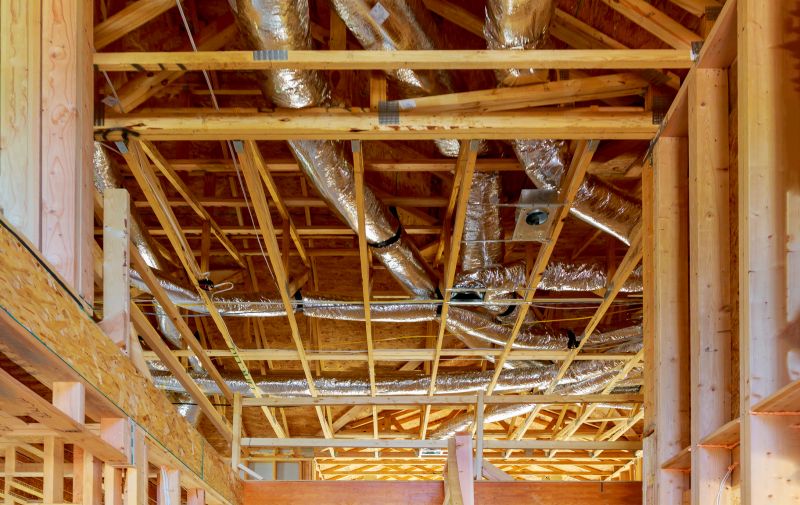
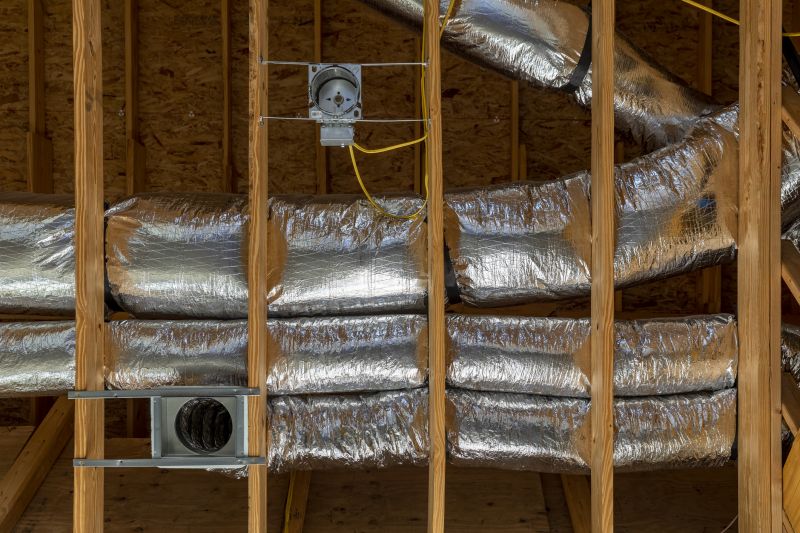
Ductwork replacement involves removing and installing new air distribution systems within a property’s heating, ventilation, and air conditioning (HVAC) setup. This service typically includes inspecting existing ducts for damage or inefficiency, removing outdated or compromised duct sections, and installing new, properly sealed ducts to ensure optimal airflow. Properly functioning ductwork is essential for distributing conditioned air evenly throughout a home or commercial space, helping to maintain consistent temperatures and indoor comfort levels.
This service helps address common problems such as uneven heating or cooling, increased energy bills, excessive dust, and persistent indoor air quality issues. Over time, ducts can develop leaks, become clogged with debris, or suffer from material deterioration, which can reduce system efficiency and cause discomfort. Replacing old or damaged ductwork can improve airflow, reduce energy waste, and create a healthier indoor environment by preventing issues like mold growth or pest intrusion.
Ductwork replacement is often necessary in a variety of property types, including older homes with outdated systems, new construction projects, or buildings undergoing renovations. Residential properties frequently require duct upgrades when experiencing airflow problems or when the existing ducts are visibly damaged. Commercial spaces, such as offices, retail stores, and industrial facilities, may also need duct replacement to ensure their HVAC systems operate effectively and meet the demands of larger spaces or specialized environments.
Homeowners who notice signs like inconsistent temperatures, excessive dust, or rising energy costs might consider ductwork replacement as a solution. Additionally, properties with visible duct damage, mold growth, or those that have experienced recent renovations may benefit from a professional assessment and potential replacement. Connecting with local contractors can provide the expertise needed to evaluate existing duct systems and perform replacements that enhance comfort, efficiency, and indoor air quality.
The overview below groups typical Ductwork Replacement projects into broad ranges so you can see how smaller, mid-sized, and larger jobs often compare in your area.
In many markets, a large share of routine jobs stays in the lower and middle ranges, while only a smaller percentage of projects moves into the highest bands when the work is more complex or site conditions are harder than average.
Smaller Repairs - minor ductwork repairs or replacements typically cost between $250 and $600. Many routine jobs fall within this range, especially when only a few sections need work. Larger or more complex repairs can push costs higher, but most projects stay in the lower to mid-tier range.
Partial Replacement - replacing sections of ductwork usually ranges from $1,000 to $3,000. Local contractors often find that many projects fit within this band, depending on the size of the system and accessibility. More extensive replacements may reach higher costs but are less common.
Full Ductwork Replacement - complete system replacements generally cost between $3,500 and $7,000. Many homes with standard duct layouts fall into this range, while larger or more intricate systems can cost more. Fewer projects exceed this upper limit unless additional work is involved.
Complex or Large-Scale Projects - extensive or highly customized ductwork installations can exceed $7,000 and may reach $10,000 or more. Such projects are less frequent and usually involve complex building layouts or additional modifications, but local service providers can provide precise estimates for these jobs.
Actual totals will depend on details like access to the work area, the scope of the project, and the materials selected, so use these as general starting points rather than exact figures.
HVAC Duct Installation - local contractors who install and replace duct systems for heating, ventilation, and air conditioning often possess skills similar to ductwork replacement projects.
Air Purification System Installation - installing and integrating air filtration units requires planning and ductwork knowledge comparable to duct replacement tasks.
Commercial Ventilation System Upgrades - upgrading or replacing large-scale ventilation systems involves similar planning, tools, and skills as ductwork replacement services.
Insulation of Duct Systems - insulating ductwork to improve efficiency shares techniques with replacing and installing new duct components.
Bathroom and Kitchen Vent Hood Installation - installing exhaust hoods involves duct routing and connections similar to those in duct replacement projects.
Air Duct Cleaning Services - cleaning existing duct systems requires understanding of duct layouts and access points, related to ductwork planning and handling.
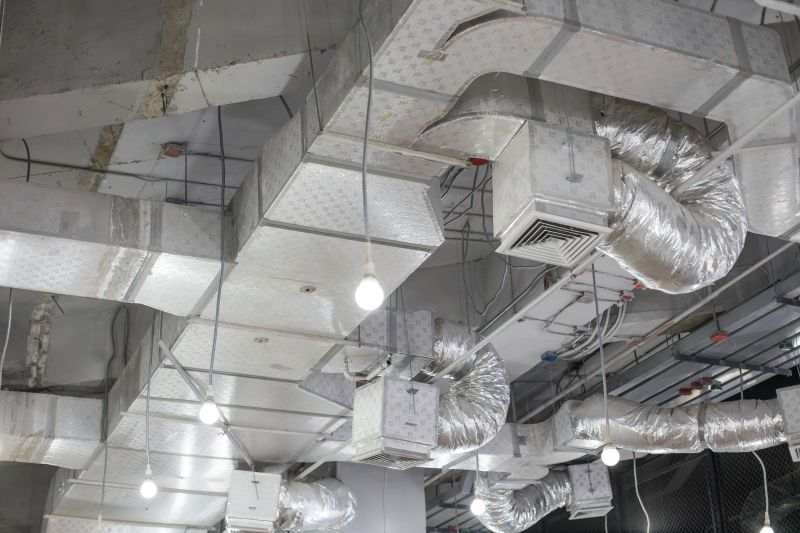
When evaluating contractors for ductwork replacement, it’s important to consider their experience with similar projects. Homeowners should inquire about how many ductwork replacements they have completed and whether they have worked on homes of comparable size and layout. A contractor’s familiarity with different duct systems and the challenges that can arise during replacement can help ensure the job is handled efficiently and effectively. This background provides a sense of confidence that the service provider understands the specifics of ductwork installation and can address potential issues that may come up during the project.
Clear, written expectations are essential when comparing local contractors for ductwork replacement. Homeowners should seek detailed estimates that outline the scope of work, materials to be used, and any warranties or guarantees offered. Having this information in writing helps prevent misunderstandings and ensures everyone is aligned on what the project entails. It’s also helpful to ask service providers about their process, including how they handle potential complications or changes once work has begun. Well-documented expectations promote transparency and make it easier to compare options objectively.
Reputable references and good communication are key factors in choosing a reliable service provider. Homeowners should ask local contractors for references from previous clients who had similar ductwork projects completed. Contacting these references can provide insights into the contractor’s professionalism, quality of work, and adherence to schedules. Additionally, effective communication-such as responsiveness to questions and clarity in explanations-can make the entire process smoother. While this site introduces homeowners to local options for ductwork replacement, it’s important to remember that the site itself does not perform the work. Instead, it helps connect homeowners with trusted local contractors who can handle the project professionally.
Property owners use Ductwork Replacement services for practical projects around their homes and businesses. This guide focuses on everyday jobs and straightforward project options.
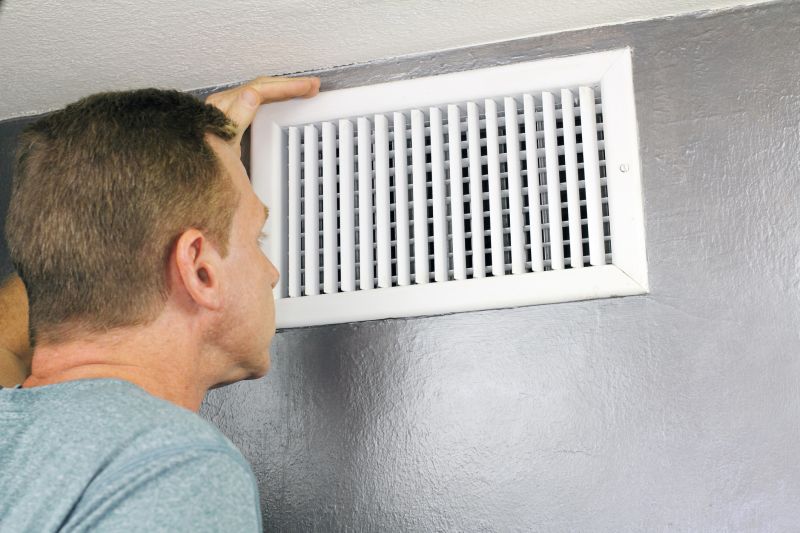
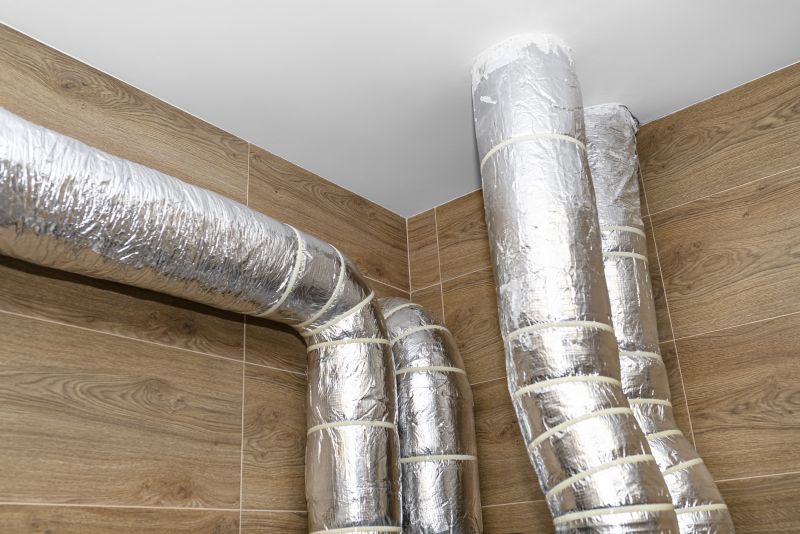
Ductwork replacement is often needed when property owners notice uneven heating or cooling throughout their space, increased energy bills, or persistent indoor air quality issues. These signs can indicate that the existing duct system has become outdated, damaged, or inefficient, making it necessary to seek the expertise of local contractors who specialize in ductwork services. Whether due to age, wear and tear, or renovations, many property owners turn to nearby service providers to ensure their HVAC systems operate effectively and efficiently.
In addition, property owners might look for ductwork replacement when undertaking home upgrades or remodeling projects that require new or modified duct layouts. Damaged or poorly installed ducts can lead to airflow problems and decreased comfort, prompting residents to contact local contractors for professional assessment and installation. Connecting with experienced service providers in the area can help ensure that duct systems are properly replaced and integrated into the overall building environment.
What are signs that ductwork needs replacing? Signs include inconsistent heating or cooling, visible damage or leaks, excessive dust, and increased energy bills indicating inefficiency.
Why should I consider replacing my ductwork? Replacing old or damaged ductwork can improve indoor air quality, enhance system efficiency, and ensure proper airflow throughout the space.
What types of ductwork materials are available for replacement? Common options include flexible ducts, sheet metal ducts, and fiberglass ducts, each suited for different needs and installation preferences.
How do local contractors determine if ductwork replacement is necessary? They typically assess the condition of existing ducts, check for leaks, damages, and airflow issues to recommend appropriate replacement solutions.
Can ductwork replacement improve energy efficiency? Yes, replacing outdated or damaged ducts can reduce energy loss and help optimize the performance of heating and cooling systems.
Improve Indoor Air Quality - Replacing old or damaged ductwork can help ensure cleaner air circulation throughout a property.
Upgrade for Energy Efficiency - Installing new duct systems can reduce energy waste and support more efficient heating and cooling.
Address Unusual Noises or Leaks - Replacing ductwork can resolve common issues like rattling sounds or air leaks that affect comfort.
Prepare for Renovations or Remodels - New ductwork can be integrated into renovation projects to optimize airflow and system performance.
If you are thinking about Ductwork Replacement for a property, this guide is meant to help you understand the work, the typical project types, and how different options might fit your plans.
When you are ready, you can use the quote form on this page to share a few details about your project. From there, local pros can review the basics and respond with options that match what you have in mind.